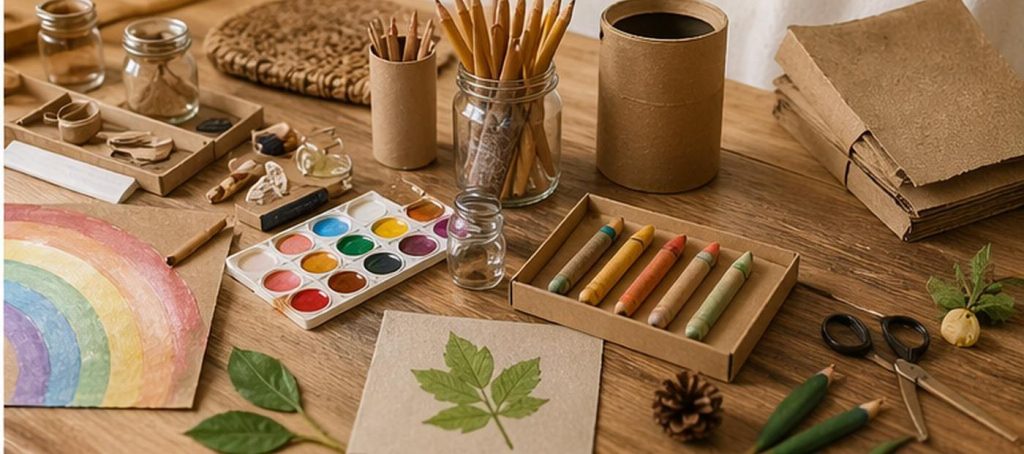
Ah, spring! The birds are chirping, the flowers are blooming, and the desire to get outdoors is at an all-time high. For parents, this is the perfect time to inject some educational fun into playtime. Forget screen time overload — this season is all about hands-on learning, exploring nature, and sparking scientific curiosity. The good news is that the right toys can transform your backyard or a local park into an engaging learning laboratory, and there’s a wonderfully wide range of spring kits out there to help you do just that. From digging in the dirt to observing the wonders of the natural world, these kinds of toys offer a fantastic way to connect with nature and build essential skills — and they make great gifts, too.
Why Spring Kits Are Worth It
Spring is a season of renewal and growth, mirroring the developmental stages of children. Educational spring kits harness this natural energy, providing structured yet flexible opportunities for kids to explore, experiment, and learn. They go well beyond simple entertainment: they foster critical thinking, problem-solving, and a deeper appreciation for the natural world. Fine motor skills get a workout through planting, digging, and handling small tools, while outdoor exploration builds gross motor skills at the same time. And the benefits aren’t just physical — engaging with nature has well-documented positive effects on mental well-being and stress reduction.
These kits are especially valuable because they encourage the kind of learning that sticks. Kids practice patience as seeds sprout, sharpen their observation skills as insects go about their business, and experience the genuine thrill of a science experiment unfolding in front of them. They’re ideal for parents looking for screen-free activities that can span multiple sessions and turn simple backyard time into something meaningful. Most kits are designed for kids roughly between the ages of 4 and 10, though options exist on both ends of that range, so it’s worth checking age guidance before you buy — and younger children will generally need more adult supervision regardless of what the packaging says.
The Types of Kits to Look For
When it comes to spring kits, there are a few broad categories worth knowing about, each with its own strengths depending on your child’s interests.
Gardening kits are a perennial favorite, and for good reason. Giving kids their own child-sized tools — trowels, rakes, watering cans — makes them feel like genuine contributors to the garden rather than spectators. It’s remarkable how much more invested children become in plants when they’ve done the planting themselves. Beyond the fun of getting muddy, gardening kits teach responsibility, patience, and a foundational understanding of how living things grow. You can deepen the learning further by talking through plant life cycles, the role of sunlight and water, or how pollinators work — and if something edible comes up, cooking with the harvest is a memorable bonus. Keeping a simple growth journal is another great way to extend the experience over weeks.
Nature exploration kits are perfect for kids who want to understand the world right outside their door. These typically bundle together tools like magnifying glasses, binoculars, bug nets, compasses, and collection jars — everything a young naturalist needs to investigate insects, rocks, leaves, and wildlife. The best versions of these kits are durable enough to handle real outdoor use and open-ended enough that there’s always something new to discover. They pair beautifully with a trip to a local park, botanical garden, or nature reserve.
Outdoor science kits bring the laboratory outside (or bring outdoor concepts indoors on days when the weather doesn’t cooperate). These range from chemistry-style experiment sets for older kids — exploring concepts like fluorescence, crystal formation, or density — to gentler, more visual experiment kits designed for preschool and early elementary ages, with large, safe equipment and colorful results. The best kits for younger children keep instructions simple and outcomes visually satisfying, while kits for kids 8 and up can tackle more complex scientific principles in a genuinely engaging way.
A Few Things to Keep in Mind
No matter which type of kit you choose, a few principles apply across the board. Always supervise young children during experiments or when using tools, and take a moment to go through any safety guidelines together before diving in. Look for kits made from durable, weather-resistant materials if they’ll live outside, and consider whether the kit is a one-time experience or something that can be refreshed and repeated. Some gardening tool sets and exploration kits, for example, have essentially unlimited replay value, while experiment kits may be used up after a single session.
If sustainability matters to your family, it’s worth seeking out kits made with natural materials like wood rather than single-use plastics — and remember that the act of gardening itself is one of the most inherently eco-friendly activities you can share with a child.
Get Outside and Start Exploring
This spring, embrace the opportunity to turn outdoor time into an enriching learning adventure. Whether your child is digging in the soil, examining a ladybug under a magnifying glass, or watching a colorful science experiment come to life, these kinds of hands-on kits offer something that passive entertainment simply can’t: a real sense of discovery and accomplishment. Investing in this type of play is an investment in your child’s curiosity, their connection to the natural world, and skills that will serve them long after the flowers fade. So grab a kit, head outside, and let the spring discoveries begin!